Belonging in Barcelona
Moving from city to city, from country to country, can be a disorienting, isolating experience. Through three very different third spaces, Kevin Eastwood finds his way home.
You spend over a decade building a life in London and relishing the chaos of working and living in this metropolis, absorbing everything that it has to give. From post-rave chicken shops at 5am to edgy little art galleries, from small plates and natty wine in Soho to tinnies, crisps and hummus in Victoria Park, from canal walks, green parks and sky scrapers to food markets and drunken tube rides home… only to say hasta luego to all of it because you’re moving to Barcelona in the name of love.
The existential questions soon arise and linger. How do I make friends again at 33 years old? How do I restart and rebuild in a foreign land where chicken shops have been replaced with gelaterias and the perfectly pretentious pint of IPA is replaced by una caña (330ml beer)? How long does it take to find that all important sensation of belonging and connection again? (Disclaimer: it takes fucking ages). Needless to say, the pursuit of new connections in entirely new third spaces is a challenging one but one which I now know I’ll look back on in later life and think joder (fuck)... I actually did that. That was a huge thing that drove me to the brink but completely worth it.
For context, I should admit that I wasn’t completely starting from scratch having balanced a London life with a long-distance, Anglo–Catalan relationship for several years prior. We’d met back in 2018 in a random hostel of an equally random Costa Rican town called Tortuguero. She was drawn to my shaggy pirate aesthetic at the time – brown skin, long hair, missing tooth and an insatiable appetite for saying ‘dude’. I was drawn to her equally luscious hair, intoxicating smile and an intensity that was my achilles heel. Love at first sight? No. That would come two years later on a Portuguese trip during the Covid-19 pandemic. But this was the start of a journey that would introduce me to a Catalan (or Spanish) way of life that would soon become a permanent feature of my own.
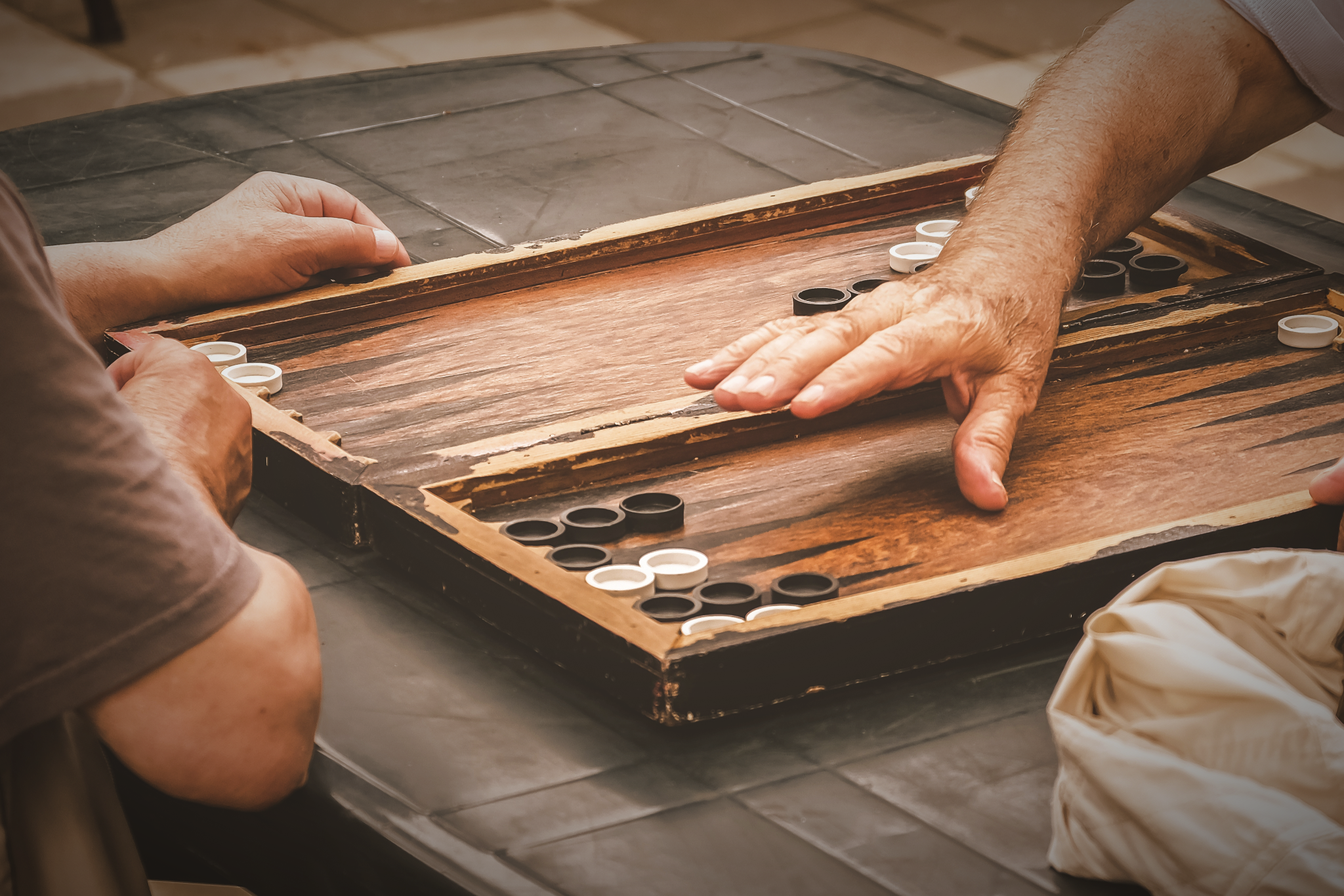
For those readers who have defied local animosity and the demand that ‘Tourists go home!’ you will have seen, during your time in Barcelona, that there is a deeply embedded culture of connecting with friends and neighbours in the beautiful outdoor squares, in public parks for a game of bowls, and during impromptu communal dinners on random streets because it’s a Wednesday and why not? Most things take place outdoors. Children meet to climb the trees and kick a football around while millennial parents chat about the state of the world or about the spreading gentrification of Barcelona and onslaught of specialty coffee houses. Whatever the topic of conversation, you can’t help but be in awe of how happy, connected and relaxed people are together in these sunny third spaces. Unfortunately, that awe is quickly displaced by a sadness and burgeoning loneliness as you realise: you don’t have any of that connection yet. You are a lonely spectator. You nurture a caña by yourself and remember the days when you were the centre of attention at the Chesham Arms on a Thursday night. You think to yourself, if only they knew how much of a social butterfly I could be. You’re a chrysalised English outsider struggling to metamorfosea.
In an effort to integrate into a new society and find belonging, I initially sought the only third space that I knew would be guaranteed to generate connection; where I could find a sense of unity and breathe a sigh of relief – the techno dancefloor. There is a club at the top of Barcelona near Montjuic that opens its dark doors at midnight. It plays the most thumping, the heaviest and the dirtiest techno amidst stunning visuals, and keeps you moving until you’ve reached your 25,000-step limit in under six hours. There is a sense of belonging that emerges when I step into that space – I look around and don’t know anybody by name but they feel part of the same tribe. Is it relief that blows over me and provides a much needed respite or the welcomed breeze created from the vibrations of industrial-sized speakers? Or is it even the breeze of a fellow raver wafting their fan in my face? Regardless, the release is real. The music is loud. It’s fast and rhythmic as fuck. It grabs a hold of me and doesn’t let go. It moves me from one sweaty shoulder to another and it’s in this moment that I bask in the holy grail of togetherness. You forget every mistake you’ve made trying to speak Spanish. You forget about your loneliness because in this moment as you dance and move like it’s your last dance, you are not alone. You are surrounded by your people. You belong there and nowhere else.
There is a beautiful uniqueness to this third space because the music and the dancing transcends language barriers and obliterates one’s insecurities as a non-native. Connection isn’t through talk – although there is no denying that the 3am cigarette in the smoking area with a stranger is one of life’s greatest joys – it’s through an unspoken agreement. I am going to let that person dance near me. I want them to. I see and feel their energy and want to share in it. Connection is the squeeze of the shoulder that you feel in acknowledgement of how euphoric the music is. It is the moment you open your eyes from a trance-like state and the person next to you does the same. You smile at each other. You connect. And it’s therapeutic. After the night my cup is empty and I’m ready to refill it again with the grafting and adapting needed to integrate into my new life.
An inevitable part of that graft is acquiring the language (Spanish that is, not Catalan). Now, the techno halls are good for many things, but acquisition of language is sadly not among them. For that, I’ve relied on a very different kind of third space: the language exchange.
The language exchange is an interesting space to be in. You enter it with a great sense of vulnerability but you take solace in the fact that you’re not alone in that feeling. There is an instant acceptance of one another’s weaknesses in speaking a new language and with that comes a camaraderie and joy in failing together. There’s a joy in mispronouncing words like your Spanish equivalent saying species when the word is spices or laughing in frustration at the absurdity of how many ways there are in Spanish to use the verb to take. In my case, I was blessed to be in an exchange with two local Catalans who were keen to improve their English. The added bonus of an exchange is not only the real-life, conversational applications of learning a new language but given the right personalities that congregate, friendships are quickly created.
Don’t get me wrong, it’s not all rosy and cute as I may have portrayed it to be. With the connections and laughs comes a hideous embarrassment and mountainous degree of frustration at feeling like you’re just not getting it. To add insult to injury, when you’re working full-time in a school such as I was, commuting to attend a language exchange on a Wednesday night after 10 hours of uninterrupted human input from teachers, pupils and families, is enough to shed a single tear while you listen to Rosalía (for practice) on your way there. You spiral into an abyss of self-doubt and question your decision. Do I even need to speak Spanish? English and Mandarin are spoken way more. How on earth am I going to fit more information into my frazzled brain? It’s not possible. However, the special thing about this space is that when you arrive, albeit sometimes reluctantly, you realise you weren’t the only one feeling that way. Because you’re actually not the busiest person in Spain and your fellow language enthusiasts are just as spent as you.
You’re in it together.
Consequently, there’s a necessary debrief of your days with one another in Spanglish which becomes cathartic. Dread gives way to pride and a sense of achievement in complaining about your Jefa in Spanish and introducing the English phrase of pain in the arse to your amigas. It’s these weekly moments in a random location together that cultivates a sense of belonging in a place that isn’t your native homeland. You feel less like a guiri and more like a bonafide local resident getting together with other locals to have a laugh at the absurdities of one another’s mother tongue, all the while holding each other up through positive reinforcement and validating the effort being made. Afterwards, you go home to prepare dinner with your head held a little higher and talk about the exchange during sobremesa with your Catalan partner. She issues a warm que bien Guapa, and you settle in for the night.
As an aside, and to ease your own insecurities of having a language deficit, please note the following:
Jefa – Boss (feminine)
Que bien guapa – well done handsome
Guiri – An obvious tourist who eats bad paella at 6pm and orders a sangria
Sobremesa – literally, ‘over the table’. Figuratively, a social ritual which takes place after the meal and you spend time with your people talking, laughing, debating with absolutely no pressure or rush to leave the table.
The sobremesa is serious business in Spain and as an ex-Londoner used to functioning on higher than normal levels of chaos and cortisol, where every minute of the day must be productive and justified, it takes some time to lean into the concept. My first experiences of this cultural activity were of low-level frustration and impatience at sitting around for a further two hours after you’ve finished eating. Why are we still here? We’ve finished eating. This meal has served its purpose. What more is there to possibly talk about? Do these people not have lives or other things to do? There would even be moments of silence for a minute or two and it would be these moments in particular that I would find absurd. I just couldn’t comprehend this much time being spent with people after eating. The job’s done. Let’s go home?
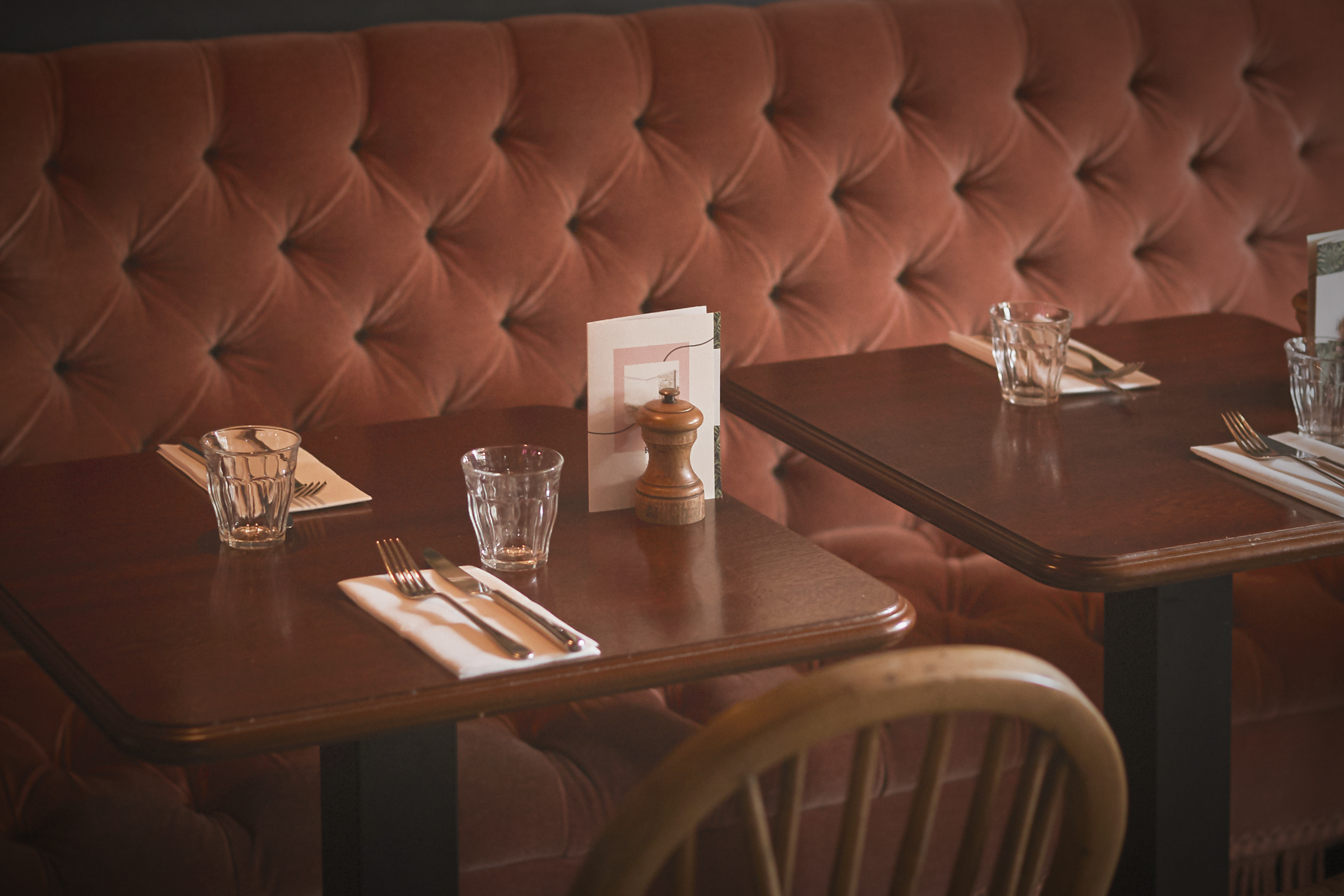
Compared with London and other major UK cities, in Barcelona people function at a much slower pace. Time is used more meaningfully and meaning is measured differently. Connections are forged through conversation and it is those conversations that are valued just as much as the food (even more so if I’ve been the one cooking). It’s not only about the shared wine, olives, crisps and arroz de pescado – it’s about the shared conversations of those very things I used to spectate on in my earlier days here in the plaças of Barcelona: family dramas, political dramas, invading tourists and the saturation of brunch spots. Now I belong to the very moments I used to yearn to be part of and it’s thanks, in part, to the sobremesa. It has become a wholly expected and special third space – a third space within a third space – for when I’ve finished stuffing my face with friends. You realise on your way home (eventually) that it’s not just the food you’re full of, but also the companionship having had a good time with your people long after the bill has been paid and the sun has set.
Restarting and rebuilding a new life in a new country will always be painful because we’re creatures of habit who need community to feel alive, not merely survive. But we’re also exceptionally gifted at adapting, and one needs to always trust in one’s adaptability. You’ve got this. It won’t always be the nightmare you anticipated before the move. You will find moments of connections that eventually become the norm and you assimilate to your new life because you have to. You must. There is no other way to live. ⚭
Kevin EastwoodMore 2G4